A Larrydojo Film · A Film by Alec Young · 1863

// 1863: A Gold Rush Story · watch on YouTube ↗

A Gold Rush Story

Oroville, California · 1863

Oroville, California, May 1863. The easy gold is a decade gone, the mining is industrial, and the wagon traffic runs the other way — toward Idaho. An old minister works his week anyway: the sermon, the woodpile, the road, the strangers passing through town. At the end of it, a newspaper on the ground. The headline holds the earliest known printing of two words nobody owned: smart aleck.

// What's real

The clipping is real. It ran in the Weekly Butte Record of Oroville on May 16, 1863 — the earliest known appearance of "smart aleck" in print — and the film composites the Library of Congress scan, not a recreation. The minister is invented; no record names the man in the story, and the film never claims the article is about him. What is documented and what is built is itemized below.

Seventy words on page four — the whole film.

// Set in type from the original. The film shows the real page — read the Library of Congress scan ↗

The earliest known "smart aleck" in print.

The item is a specimen, not a proven origin. The dictionaries decline to name a source for the phrase; it surfaces here first, in a small country weekly published by George H. Crossette, and nobody signed it — small weeklies signed nothing.

The joke lands because the minister told the truth. Announce a practical sermon, draw a crowd, deliver a proverb.

The advice is correct. "Prune when your tools are sharp" was standard horticultural wisdom for a century. The congregation felt cheated by a man who had told them the truth.

What is documented. What is built.

Documented

  • The clipping — its date, paper, and page.
  • Publisher George H. Crossette.
  • Earliest known "smart aleck" in print; origin of the phrase unknown — the OED declines to name a source.
  • The pruning proverb.
  • 1863 mining reality: surface gold exhausted by the mid-1850s, hydraulic and quartz operations working men for wages.
  • 1863 migration ran toward the Boise mines, not into California.
  • The Chinese Temple, dedicated in Oroville that same spring.
  • The shape of a minister's week — parsonage, salary partly in goods, two original sermons every Sunday, no pension.

Constructed

  • The minister — face, age, widowhood, all of it.
  • Whether the article is about him — the film leaves it open; history is silent.
  • Who wrote the item — small weeklies signed nothing; never asserted.
  • Every image in the film — no photograph of 1863 Oroville street life exists.

Two words head east — 1863 to 1881.

  1. May 16, 1863 Weekly Butte Record, Oroville. Earliest known printing.
  2. Jan 1864 New York Clipper.
  3. 1865 Gold Hill Daily News and Carson Appeal, Nevada.
  4. 1866 Turf, Field, and Farm; Salt Lake City Telegraph.
  5. 1870 Idaho Statesman calls the phrase extremely common.
  6. 1881 "Smart-alecky."

Origin: unknown. It surfaces in the American West and spreads east.

The machine never wrote a word of it.

The film is an AI reconstruction. The minister was built once, in isolation, and composited into empty environment plates so he stays the same man in every shot. Motion came last. One thing was never generated: the newspaper. The headline in the film is the Library of Congress scan of the real page, composited in — the machine never wrote a word of it. How we recreate history →
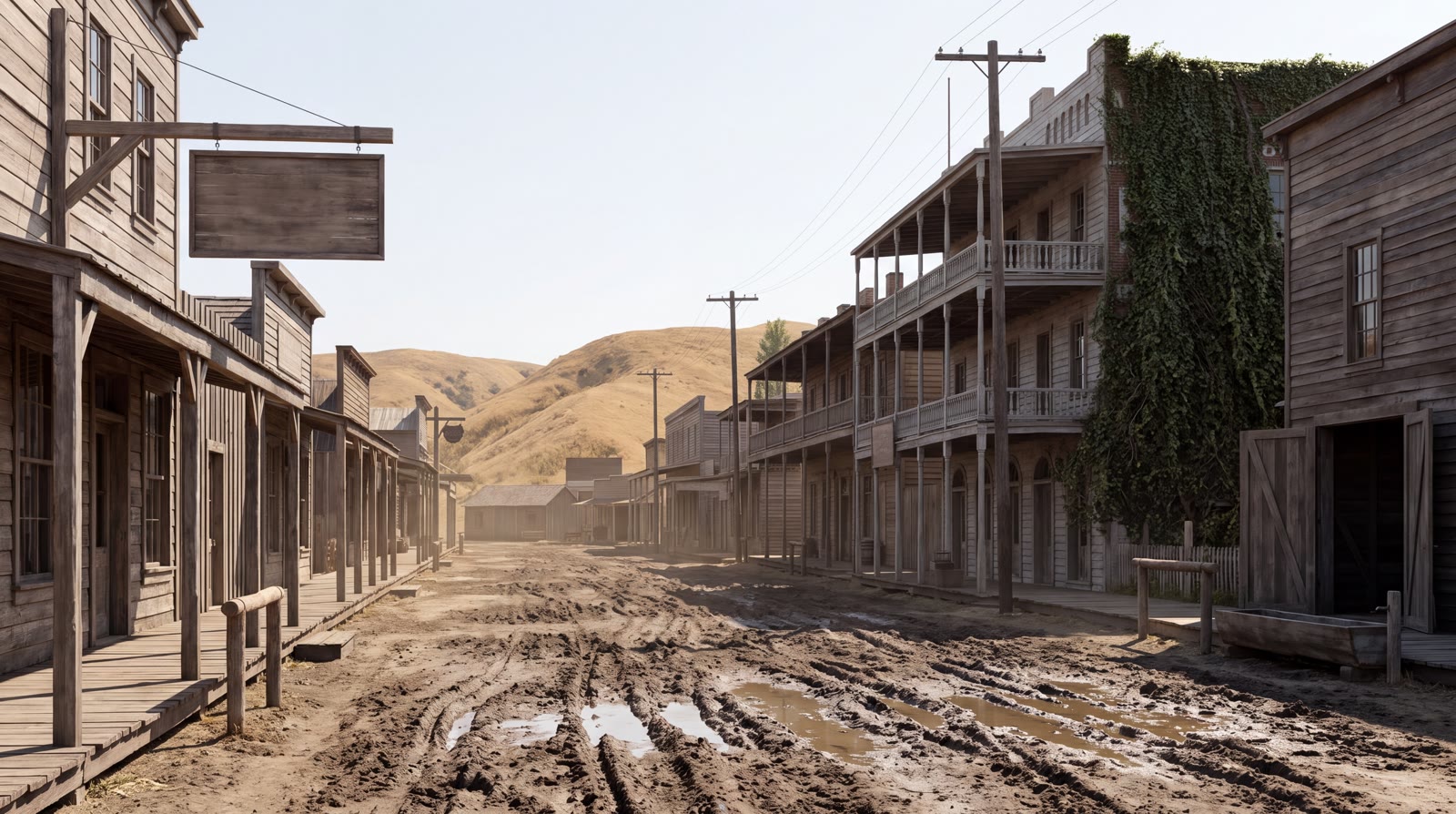
Empty environment plate: Oroville's main street in dry Sierra-foothill light — mud ruts, pine-lumber storefronts, bleached hills.
Plate · The street, built empty
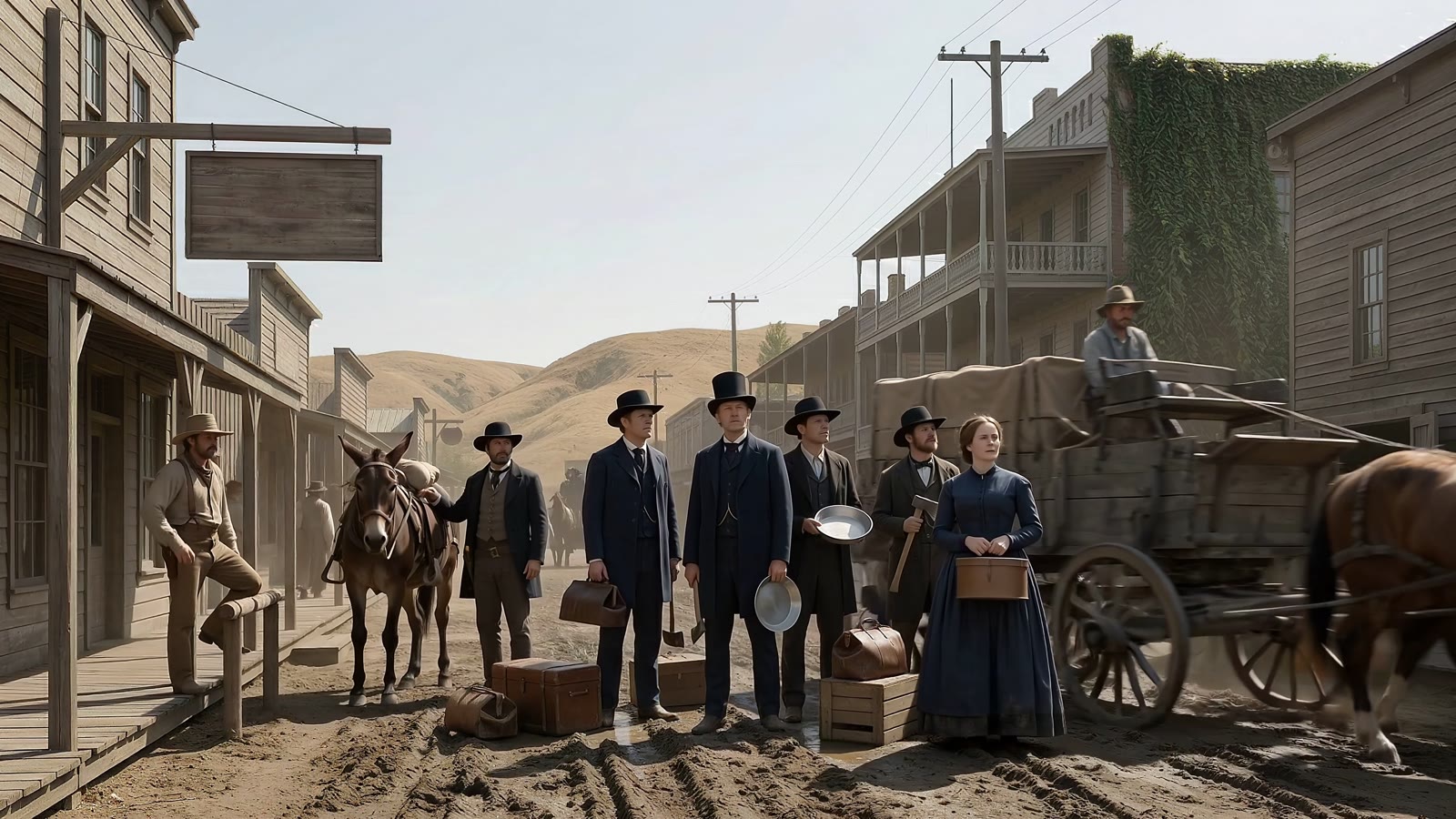
Final composite: newcomers with trunks, pans, and a pack mule stopped in the same Oroville street.
Composite · The newcomers, placed in it
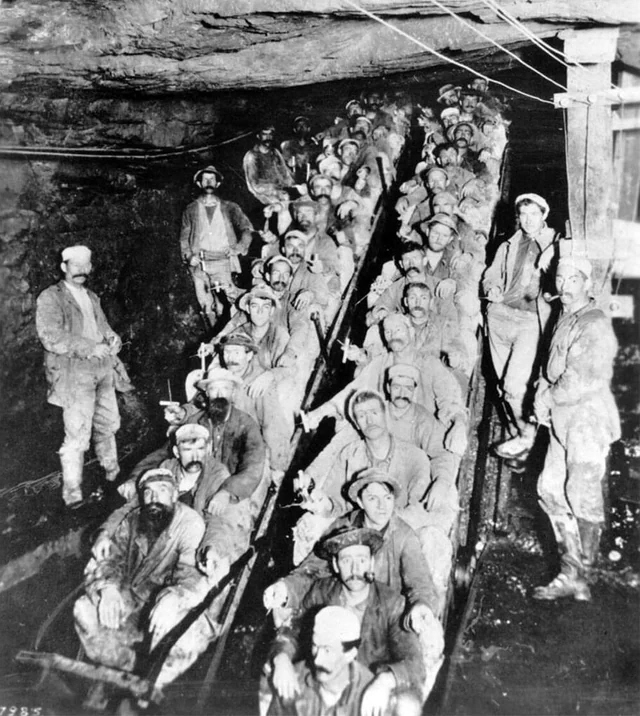
Archival photograph: miners crowded on an ore-car train underground, nineteenth century.
Record · Miners underground, archival photograph
Reconstruction · The same scene, rebuilt — moving
// Motion came last — the finished shot, moving

The written record behind the frames.

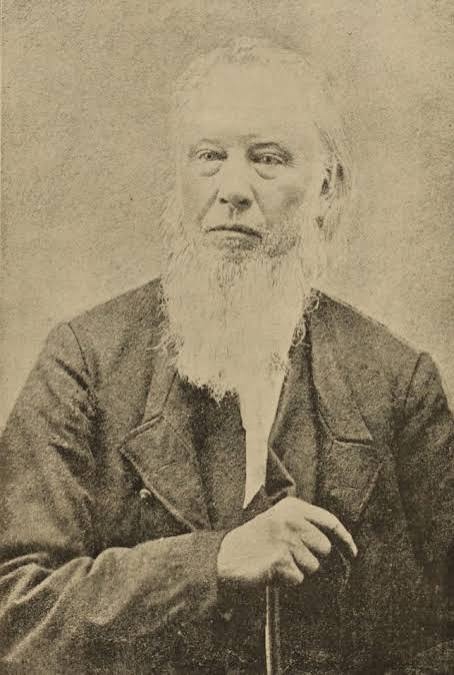
Nineteenth-century portrait photograph of an aged, white-bearded minister — period reference for the invented character.
// Period reference: a minister of the era. The film's minister is invented — no record names the man.
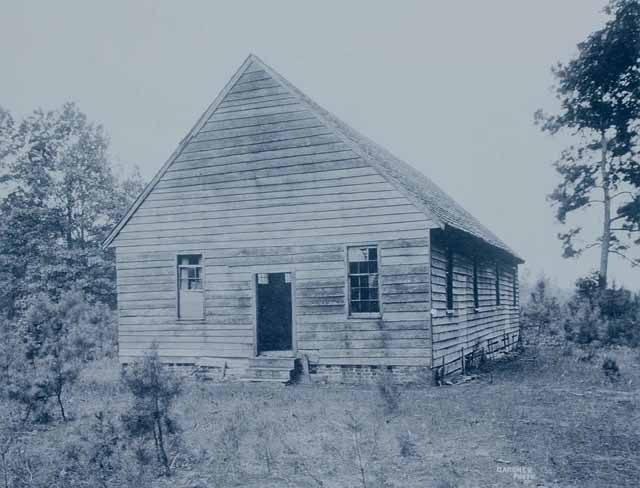
Archival photograph of a plain wood-frame country meeting house among pines.
// The building type: a plain wood-frame meeting house — pine lumber, no steeple, no money.
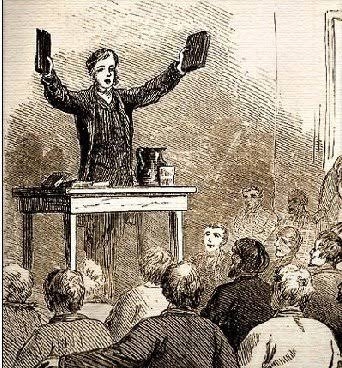
Period engraving of a preacher at a table pulpit, arms raised, congregation below.
// The pulpit, as period engravings drew it — the announcement scene's source register.

The public trail.

Weekly Butte Record, May 16, 1863, p. 4 — Library of Congress, Chronicling America. The page itself. loc.gov ↗
Etymonline · Green's Dictionary of Slangsmart aleck. The dictionaries that decline to name an origin. etymonline.com ↗
Dave Wilton, wordorigins.org — on the Aleck Hoag theory. The famous origin story, and why it doesn't hold. wordorigins.org ↗
Viral Texts Project — Northeastern University. How newspaper items actually traveled: one squib, 91 papers, 32 years. viraltexts.org ↗
Oroville Chinese Temple — National Historic Landmark. Dedicated the same spring, still standing. wikipedia.org ↗

More films on the way.

Have a story that needs this kind of care?

Larrydojo builds character-consistent, fact-checked AI video — from public-domain adaptation to documented historical reconstruction. See the pipeline in the case studies, or start a project.